Clear agency communication stands as the foundation of every successful marketing campaign. When agencies and clients share information effectively, projects move forward smoothly. When communication breaks down, even the most talented teams struggle to deliver results.
Marketing agencies face unique communication challenges every day. Multiple stakeholders, tight deadlines, creative feedback loops, and changing project requirements all demand crystal-clear information flow. The difference between a thriving agency relationship and a failed partnership often comes down to how well teams communicate.
This guide explores what makes agency communication work, why it matters more than ever, and how to build communication systems that strengthen client relationships and improve campaign outcomes. Whether you run an agency or work with one, understanding these principles will help you collaborate more effectively.
What Is Agency Communication?
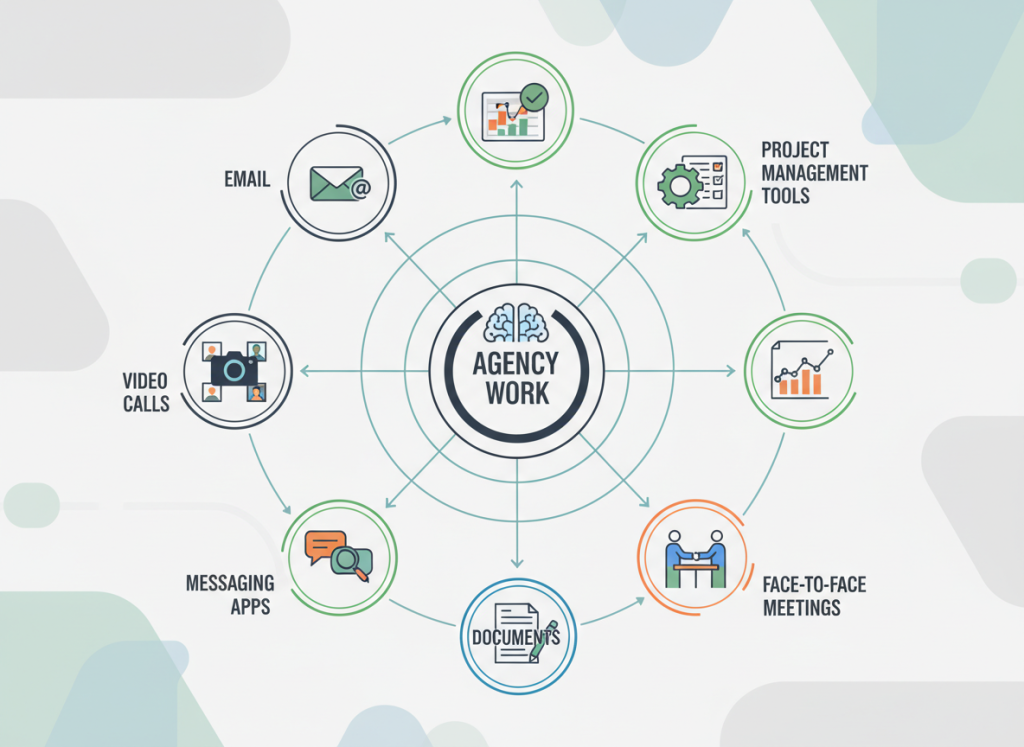
Agency communication encompasses all information exchange between an agency and its clients. This includes project briefs, creative feedback, status updates, strategy discussions, performance reports, and day-to-day conversations about campaign execution.
Strong client communication for agencies goes beyond simply sending emails or scheduling calls. It involves creating structured systems that ensure the right information reaches the right people at the right time. This systematic approach prevents misunderstandings and keeps everyone aligned on project goals.
Key Components of Effective Agency Communication
Clear Information Flow
Information must move smoothly between agency team members and clients without bottlenecks or confusion.
- Designated communication channels for different message types
- Documented processes for sharing updates
- Regular touchpoints scheduled in advance
- Clear escalation paths for urgent matters
Mutual Understanding
Both parties need to share the same vision for project success and understand their respective roles.
- Written agreements on deliverables and timelines
- Shared vocabulary for discussing creative work
- Aligned expectations from project start
- Regular check-ins to confirm alignment
Responsive Dialogue
Good communication requires active participation from all stakeholders with timely responses and feedback.
- Agreed response time expectations
- Active listening during conversations
- Constructive feedback delivered promptly
- Open channels for questions and concerns
Documented Records
Written records create accountability and provide reference points throughout the project lifecycle.
- Meeting notes and action items captured
- Decisions documented with reasoning
- Changes tracked and communicated
- Project history accessible to team members
Communication between agency and client shapes every aspect of campaign development. From initial strategy discussions to final delivery, how teams share information directly impacts project quality, efficiency, and client satisfaction.
The best agency communication happens when processes feel natural rather than bureaucratic. Teams develop rhythms that work for their specific projects while maintaining flexibility to adapt as needs change.
Why Agency Communication Matters

Strong communication transforms how agencies deliver value to clients. When information flows clearly, projects stay on track, teams work efficiently, and clients feel confident in their agency partnerships. The benefits extend far beyond just smoother workflows.
Building Trust and Confidence
Clients want to feel informed about their marketing investments. Regular updates and transparent conversations create peace of mind. When clients know what’s happening with their projects, they trust their agency team to deliver quality work.
Trust develops through consistent communication patterns. Agencies that proactively share progress updates, explain challenges honestly, and keep clients in the loop build stronger relationships than those that communicate only when asked.
Reducing Costly Mistakes
Miscommunication leads to wasted time and resources. A misunderstood brief can send creative teams down the wrong path for weeks. Unclear expectations about deliverables create disappointment at project completion. These problems disappear when teams communicate clearly from the start.
The best way to avoid communication failures is to establish clear expectations early in every project. Written briefs, agreed timelines, and documented approval processes prevent the majority of common misunderstandings.
Accelerating Project Delivery
Efficient communication speeds up project timelines. When feedback arrives quickly and questions get answered promptly, work progresses without unnecessary delays. Teams spend less time waiting for information and more time creating excellent marketing campaigns.
Clients appreciate agencies that respect their time by keeping meetings focused and communications concise. Every interaction should have a clear purpose and move the project forward in some way.
Industry Insight: Research shows that agencies with structured communication systems complete projects 30% faster than those relying on ad-hoc information sharing. At On The Pulse Media, we’ve seen how investing in communication processes pays dividends in client satisfaction and project efficiency.
Strengthening Client Relationships
Good communication builds partnerships that last beyond individual campaigns. Clients who feel heard and understood become long-term partners who trust their agency with increasingly important marketing initiatives.
Agency client communication that prioritizes active listening creates space for clients to share their concerns, ideas, and business challenges. This deeper understanding enables agencies to deliver more strategic, valuable solutions.
Improving Campaign Results
Clear communication leads to better creative work. When agencies truly understand client needs and clients provide specific, actionable feedback, campaigns become more effective. This collaboration produces marketing that resonates with target audiences and achieves business objectives.
Teams that communicate well can iterate quickly, test ideas, and refine approaches based on real-time feedback. This agility creates competitive advantages in fast-moving marketing environments.
Common Agency Communication Challenges

Even experienced agencies encounter communication obstacles. Understanding common challenges helps teams anticipate problems and build systems to prevent them. Most communication breakdowns fall into predictable patterns that agencies can address proactively.
Vague Project Briefs
Unclear briefs create confusion from day one. When clients struggle to articulate their needs or agencies fail to ask clarifying questions, projects start on shaky foundations. Teams make assumptions that may not align with client expectations.
The solution involves structured discovery processes. Agencies should use intake forms, briefing templates, and discovery calls to gather comprehensive information before work begins. Taking time upfront to understand project goals, target audiences, success metrics, and constraints prevents costly revisions later.
Delayed Feedback and Approvals
Projects stall when feedback takes too long to arrive. Agencies need timely input to maintain momentum and meet deadlines. Clients juggling multiple priorities sometimes delay reviewing creative work, leaving agency teams waiting.
Setting clear expectations about feedback timelines helps manage this challenge. Agencies should establish agreed response times during project kickoff and send gentle reminders as deadlines approach. Building buffer time into project schedules accommodates realistic feedback cycles.
Too Many Communication Channels
Information gets lost when conversations happen across email, phone calls, messaging apps, project management tools, and video meetings. Team members miss important updates because they didn’t check the right platform at the right time.
Agencies often fail at communication when they don’t establish channel guidelines. Successful teams agree on which tools to use for which purposes. For example, project updates might go through a project management system while urgent matters get handled via phone calls or messaging platforms.
Common Channel Confusion
- Urgent requests buried in long email threads
- Approvals requested through informal messaging
- Strategic discussions scattered across multiple meetings
- Project files shared through inconsistent methods
- Team members unaware of decisions made in separate conversations
Streamlined Channel Strategy
- Project management tools for status updates and task tracking
- Email for formal communications and documentation
- Phone or video for complex discussions and relationship building
- Messaging platforms for quick questions during business hours
- Shared document repositories for file management
Unclear Roles and Responsibilities
Confusion about who handles what creates gaps and duplication. Clients don’t know which agency team member to contact with specific questions. Agency staff step on each other’s toes or assume someone else is handling critical tasks.
Clear role definition solves this problem. Agencies should designate a main point of contact for each client and communicate the team structure early in relationships. Clients appreciate knowing exactly who to reach out to for different needs.
Misaligned Expectations
Disappointment happens when clients expect one thing and agencies deliver another. These gaps occur when teams fail to document agreements or when scope expands without formal discussion.
Written project scopes, detailed proposals, and regular alignment check-ins prevent expectation mismatches. Agencies should confirm understanding at key milestones and address any drift from original agreements immediately.
Cultural and Communication Style Differences
Different organizations have different communication cultures. Some clients prefer detailed reports while others want brief summaries. Some value frequent touchpoints while others prefer minimal contact unless issues arise.
Adapting communication style to client preferences demonstrates professionalism. During onboarding, agencies should ask clients about their communication preferences and adjust accordingly. This flexibility strengthens relationships and improves information flow.
Agency Communication Best Practices

Implementing proven communication strategies transforms agency-client relationships. These best practices create structure without rigidity, ensuring information flows smoothly while maintaining flexibility for project-specific needs.
Establish Clear Goals and Objectives
Every project should start with documented goals that all stakeholders understand and agree upon. Clear objectives provide direction for all subsequent communications and serve as reference points when questions arise.
Agencies should work with clients to define what success looks like before creative work begins. These conversations clarify priorities, identify constraints, and ensure everyone shares the same vision for project outcomes.
- Document specific, measurable objectives in writing
- Confirm client agreement on success criteria
- Reference goals during status updates and feedback sessions
- Revisit objectives if project scope changes
- Use goals to guide decision-making throughout the project
Create Communication Protocols
Structured protocols ensure consistency and prevent important information from falling through cracks. These guidelines should cover meeting cadences, reporting formats, escalation procedures, and response expectations.
The best communication protocols balance structure with flexibility. They provide clear frameworks while allowing teams to adapt based on project needs and client preferences.
| Communication Type | Frequency | Format | Participants |
| Project Kickoff | Once per project | Video meeting | Full project team |
| Status Updates | Weekly | Email or dashboard | Client and project manager |
| Strategy Reviews | Monthly | Video or in-person meeting | Key stakeholders |
| Creative Presentations | As needed per milestone | Video presentation with follow-up materials | Decision-makers and creative team |
| Performance Reports | Monthly or quarterly | Written report with data visualization | Client leadership and account team |
Designate Single Points of Contact
One main contact person on each side streamlines communication and prevents confusion. This point person coordinates information flow, answers questions, and ensures messages reach the right team members.
Having a dedicated contact doesn’t mean all communication must flow through one person, but it provides a clear touchpoint when stakeholders need guidance or have concerns. This structure works particularly well for larger projects with multiple team members.
Practice Active Listening
Good communication requires genuinely hearing what clients say and understanding the meaning behind their words. Active listening means asking clarifying questions, confirming understanding, and paying attention to concerns that may not be explicitly stated.
During meetings and calls, agencies should take time to understand client perspectives before jumping to solutions. This approach builds trust and ensures agency recommendations address real client needs rather than assumed problems.
Active Listening Techniques: Summarize what you’ve heard and ask for confirmation. Use phrases like “What I’m hearing is…” or “Let me make sure I understand correctly…” These simple techniques prevent misunderstandings and show clients their input matters.
Document Everything Important
Written records create accountability and prevent “he said, she said” situations. Meeting notes, decision logs, and email confirmations serve as reference points when memories fade or disputes arise.
Documentation doesn’t mean bureaucracy. Quick summaries after meetings, brief email confirmations of verbal decisions, and shared project timelines keep everyone aligned without creating excessive overhead.
Set Realistic Timelines
Overpromising and underdelivering damages trust. Agencies should provide honest estimates that account for review cycles, potential revisions, and unexpected challenges. Building buffer time into schedules prevents the stress of rushed work and missed deadlines.
When clients request tight timelines, agencies should clearly communicate what’s achievable and what trade-offs may be necessary. This transparency helps clients make informed decisions about priorities and resource allocation.
Provide Regular Progress Updates
Clients appreciate knowing their projects are moving forward. Regular status updates build confidence even when there’s nothing urgent to report. These communications demonstrate professionalism and keep clients engaged in the process.
Updates don’t need to be lengthy. Brief summaries of progress, upcoming milestones, and any issues requiring attention keep clients informed without overwhelming them with information they don’t need.
Encourage Questions and Feedback
Creating safe space for clients to ask questions and voice concerns improves collaboration. Agencies should actively invite feedback and respond to questions with patience and respect, even when they seem to question agency expertise.
Clients who feel comfortable raising concerns early help agencies address small issues before they become major problems. This open dialogue leads to better outcomes for everyone involved.
Adapt Communication Style to Client Needs
Different clients have different communication preferences. Some want detailed explanations while others prefer high-level summaries. Some clients value frequent check-ins while others prefer minimal contact between major milestones.
Observing client communication style and adapting accordingly demonstrates professionalism and builds rapport. Asking directly about preferences during onboarding shows respect for client time and working preferences.
Tools That Improve Agency Communication

Technology enables better communication when used strategically. The right tools help teams share information efficiently, track project progress, and maintain organized records. However, too many tools can create the opposite effect, fragmenting conversations across platforms.
Project Management Platforms
Project management tools provide centralized spaces where teams track tasks, deadlines, and deliverables. These platforms create transparency, showing clients exactly what’s happening with their projects at any time.
Popular project management tools like Asana, Monday, Trello, and Basecamp offer different features suited to various agency workflows. The key is choosing one primary platform and ensuring all team members use it consistently.
- Centralized task lists visible to all stakeholders
- Clear assignment of responsibilities
- Timeline views showing project progression
- File attachment capabilities for relevant documents
- Comment threads keeping discussions connected to specific tasks
- Automated reminders for upcoming deadlines
Shared Document Repositories
Cloud storage solutions like Google Drive, Dropbox, or Microsoft OneDrive ensure everyone accesses the most current file versions. These tools prevent confusion about which document contains the latest edits and allow simultaneous collaboration on shared files.
Organizing folders logically and establishing naming conventions keeps documents easy to find. Teams save time when they can quickly locate the information they need rather than searching through disorganized file structures.
Video Conferencing Software
Video calls enable face-to-face conversations regardless of location. Platforms like Zoom, Microsoft Teams, and Google Meet facilitate meetings that build stronger relationships than phone calls or emails alone.
Video meetings work best for complex discussions, creative presentations, and relationship-building conversations. Seeing body language and facial expressions helps prevent misunderstandings and creates more personal connections between agency and client teams.
Messaging Platforms
Tools like Slack, Microsoft Teams, or WhatsApp enable quick conversations without the formality of email. These platforms work well for brief questions, status updates, and casual team interactions during the work day.
However, important decisions and formal agreements should still be documented in email or project management systems. Messaging platforms serve best for real-time conversations that don’t require permanent records.
Email Management Systems
Email remains essential for formal communication, client approvals, and important documentation. Organizing email effectively prevents critical messages from getting lost in crowded inboxes.
Shared email inboxes or client relationship management systems help teams track client communications and ensure nothing falls through the cracks when team members are unavailable.
Reporting and Analytics Dashboards
Automated reporting tools transform raw data into visual dashboards that clients can understand at a glance. These systems show campaign performance, website analytics, social media metrics, and other key performance indicators.
Regular access to performance data builds client confidence and facilitates data-driven conversations about strategy adjustments. Clients appreciate transparency about what’s working and what needs improvement.
Tool Selection Tip: Choose tools that integrate with each other rather than creating disconnected systems. When your project management platform connects to your file storage and communication tools, information flows more smoothly between systems.
Time Tracking Software
Time tracking creates transparency about where effort goes and helps agencies provide accurate billing. Clients appreciate detailed breakdowns showing how their budget translates into actual work hours.
These tools also help agencies identify efficiency bottlenecks and optimize internal processes. Understanding where time gets spent enables better resource planning and more accurate future estimates.
Creating Your Communication Tech Stack
The best combination of tools depends on agency size, client needs, and project complexity. Start with core essentials and add specialized tools only when they solve specific problems.
- Identify your team’s primary communication challenges
- Research tools designed to address those specific needs
- Test tools with a small group before full implementation
- Train all team members thoroughly on chosen platforms
- Establish clear guidelines for which tool serves which purpose
- Review tool effectiveness regularly and adjust as needed
The goal isn’t having the most tools but having the right tools used consistently by everyone involved in client projects. Efficiency comes from streamlined processes, not technology alone.
How Good Communication Helps Clients

Clients gain tangible benefits when their agencies prioritize clear communication. These advantages extend beyond smooth project execution to include strategic value, better results, and stronger business relationships.
Increased Transparency and Trust
Clients feel confident when they understand what’s happening with their marketing investments. Regular updates and honest conversations about challenges create transparency that builds lasting trust.
This transparency extends to budget discussions, timeline adjustments, and strategic recommendations. Clients appreciate agencies that explain their reasoning and involve clients in important decisions rather than making unilateral choices.
More Effective Campaigns
Clear communication leads directly to better marketing results. When agencies fully understand client goals, target audiences, and business challenges, they create more strategic campaigns that drive real business outcomes.
The feedback loop between agency and client enables continuous improvement. Clients who share performance insights and market feedback help agencies refine approaches and optimize campaigns for maximum effectiveness.
Efficient Use of Resources
Good communication prevents wasted budget on revisions, misaligned creative work, or duplicated efforts. Projects completed right the first time cost less and deliver faster results than those requiring extensive rework.
Clients respect their own time as well as their budget. Agencies that communicate efficiently keep meetings focused and updates relevant, minimizing the time clients must invest in project management.
Proactive Problem Solving
Agencies that communicate well identify potential issues early and address them before they impact project delivery. This proactive approach prevents last-minute crises and keeps campaigns on track.
Clients value partners who bring solutions rather than just problems. Strong communication enables agencies to not only flag concerns but also propose viable alternatives or adjustments.
Strategic Partnership Beyond Execution
When communication flows freely, agencies become strategic partners rather than just service providers. Clients share broader business challenges, enabling agencies to contribute marketing expertise to larger organizational goals.
This deeper partnership creates value that extends beyond individual campaigns. Agencies understand client businesses well enough to anticipate needs, spot opportunities, and provide strategic guidance that drives long-term success.
Experience the Difference Clear Communication Makes
At On The Pulse Media, we’ve built our agency around communication best practices that deliver results for UK clients. Our structured approach ensures you stay informed, involved, and confident throughout every campaign. Let’s discuss how our communication framework can support your marketing goals.
How On The Pulse Media Approaches Agency Communication
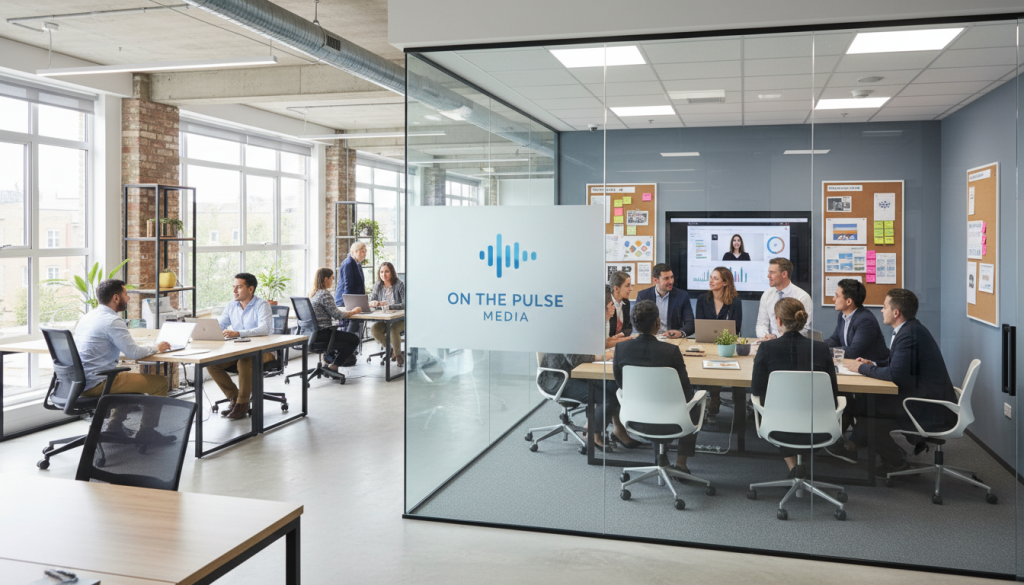
At On The Pulse Media, communication isn’t an afterthought—it’s central to how we deliver exceptional marketing results for our clients. Our approach combines proven frameworks with flexibility to meet each client’s unique needs.
Structured Onboarding Process
Every client relationship begins with comprehensive discovery. We take time to understand your business, target audiences, competitive landscape, and communication preferences. This foundation ensures all subsequent work aligns with your goals and expectations.
During onboarding, we establish clear expectations about communication cadence, preferred channels, and decision-making processes. This upfront investment prevents confusion later and sets the stage for smooth collaboration.
Dedicated Account Management
Each client works with a dedicated account manager who serves as their primary point of contact. This consistency builds trust and ensures someone always understands your complete project history and business context.
Your account manager coordinates our internal team, answers questions, and ensures nothing falls through the cracks. You always know who to contact when you need support or have concerns.
Proactive Communication
We don’t wait for clients to ask for updates. Regular status reports keep you informed about project progress, upcoming milestones, and any challenges we’re navigating. This proactive approach builds confidence and prevents surprises.
Our team flags potential issues early and presents solutions, not just problems. When challenges arise, you hear about them quickly along with our recommended approach to address them.
Transparency in Reporting
Clear performance data helps you understand campaign effectiveness and make informed strategic decisions. We provide regular reports that connect marketing activities to business results, showing exactly what’s working and where we can improve.
Our reporting goes beyond vanity metrics to focus on outcomes that matter for your business. We explain data in plain language and welcome questions about performance and strategy.
Flexibility and Responsiveness
While we maintain structured communication systems, we adapt our approach to your preferences and needs. Some clients prefer detailed weekly check-ins while others want monthly strategic reviews. We adjust our cadence and format to match how you work best.
When urgent matters arise, our team responds quickly. You can reach us when you need us, and we commit to clear response time expectations so you know when to expect answers.
Collaborative Planning
We believe the best marketing comes from true collaboration between agency expertise and client knowledge. Our planning processes involve you in strategic decisions while respecting your time. We present recommendations clearly and welcome your input to refine approaches.
This collaborative spirit extends to creative development, campaign optimization, and performance reviews. Your insights about your business and customers make our marketing more effective.
Continuous Improvement
We regularly ask for feedback about our communication and service delivery. Client input helps us refine our processes and better serve your needs. This commitment to improvement ensures our partnership grows stronger over time.
Our team stays current with communication best practices and tools, continuously looking for ways to serve clients more effectively. You benefit from our ongoing investment in improving agency operations.
Frequently Asked Questions About Agency Communication
What is agency communication?
Agency communication refers to all information exchange between a marketing, PR, or creative agency and its clients. This includes project briefs, status updates, creative feedback, strategy discussions, performance reports, and day-to-day conversations. Effective agency communication creates clarity, builds trust, and ensures all stakeholders remain aligned on project goals and expectations throughout the engagement.
Why is agency communication important?
Clear communication prevents misunderstandings that lead to wasted budget, missed deadlines, and disappointing results. Good communication builds trust between agencies and clients, enables faster project delivery, and produces better campaign outcomes. When teams communicate effectively, they avoid costly revisions, make better strategic decisions, and build relationships that extend beyond individual projects. Communication quality directly impacts client satisfaction and project success.
How can agencies improve client communication?
Agencies improve communication by establishing clear protocols, designating single points of contact, providing regular progress updates, and practicing active listening. Using the right tools—like project management platforms, shared document repositories, and video conferencing software—helps teams share information efficiently. Setting realistic expectations, documenting important decisions, and adapting communication style to client preferences also strengthen agency-client relationships and improve collaboration quality.
What tools help with agency communication?
Effective tools include project management platforms (Asana, Monday, Trello), cloud storage for shared documents (Google Drive, Dropbox), video conferencing software (Zoom, Microsoft Teams), messaging platforms (Slack, Microsoft Teams), and reporting dashboards for performance data. The best combination depends on specific needs, but the key is choosing integrated tools that teams use consistently rather than fragmenting conversations across too many platforms.
How often should agencies communicate with clients?
Communication frequency depends on project complexity, client preferences, and campaign stage. Most successful agency relationships include weekly status updates, monthly strategic reviews, and immediate communication for urgent matters or significant developments. The best approach balances keeping clients informed without overwhelming them. Establish agreed communication cadence during project kickoff and adjust based on client feedback and project needs.
What are common agency communication mistakes?
Common mistakes include failing to establish clear expectations upfront, using too many communication channels inconsistently, providing vague project briefs, delaying important updates, not documenting decisions, and assuming understanding without confirmation. Agencies also struggle when they don’t adapt communication style to client preferences or fail to designate clear points of contact. Avoiding these pitfalls requires intentional processes and consistent practice of communication best practices.
How do you handle difficult conversations with agency clients?
Difficult conversations require honesty, empathy, and solution focus. Address issues promptly rather than avoiding them, explain challenges clearly without making excuses, and present viable solutions or alternatives. Listen actively to client concerns, acknowledge their perspective, and work collaboratively toward resolution. Document these conversations and agreed next steps. Approaching difficult topics with transparency and professionalism often strengthens client relationships rather than damaging them.
What should be included in agency status updates?
Effective status updates include completed work since the last update, current activities in progress, upcoming milestones and deadlines, any challenges or blockers requiring attention, requests for client input or approvals, and next steps. Keep updates concise but comprehensive, focusing on information clients need to stay informed and make decisions. Visual elements like progress bars or milestone timelines help clients quickly understand project status.
Building Better Agency Communication

Strong agency communication transforms how teams work together and the results they achieve. Clear information flow prevents costly mistakes, accelerates project delivery, and builds trust that forms the foundation of lasting partnerships.
The best communication combines structure with flexibility. Proven frameworks ensure consistency and prevent information gaps, while adaptability allows teams to meet unique client needs and project requirements. This balance creates efficiency without rigidity.
Implementing communication best practices requires intentional effort. Establishing protocols, choosing the right tools, training team members, and regularly seeking feedback all contribute to communication excellence. The investment pays dividends through smoother workflows, happier clients, and better campaign results.
For clients, working with agencies that prioritize communication means greater transparency, more strategic partnerships, and marketing that delivers real business value. Clear communication ensures your voice is heard, your goals drive strategy, and your investment produces measurable outcomes.
Whether you’re an agency looking to improve client relationships or a business seeking an agency partner who communicates exceptionally well, these principles provide a roadmap for success. Great communication isn’t complicated—it just requires commitment, consistency, and genuine respect for all stakeholders in the conversation.